Author: Mariela Guanchez
If you’ve been considering going solar in Nova Scotia, you’ve probably realized there’s more than one kind of solar panel on the market. The challenge? Figuring out which type works best for our coastal climate, snowy winters, and year-round energy needs.
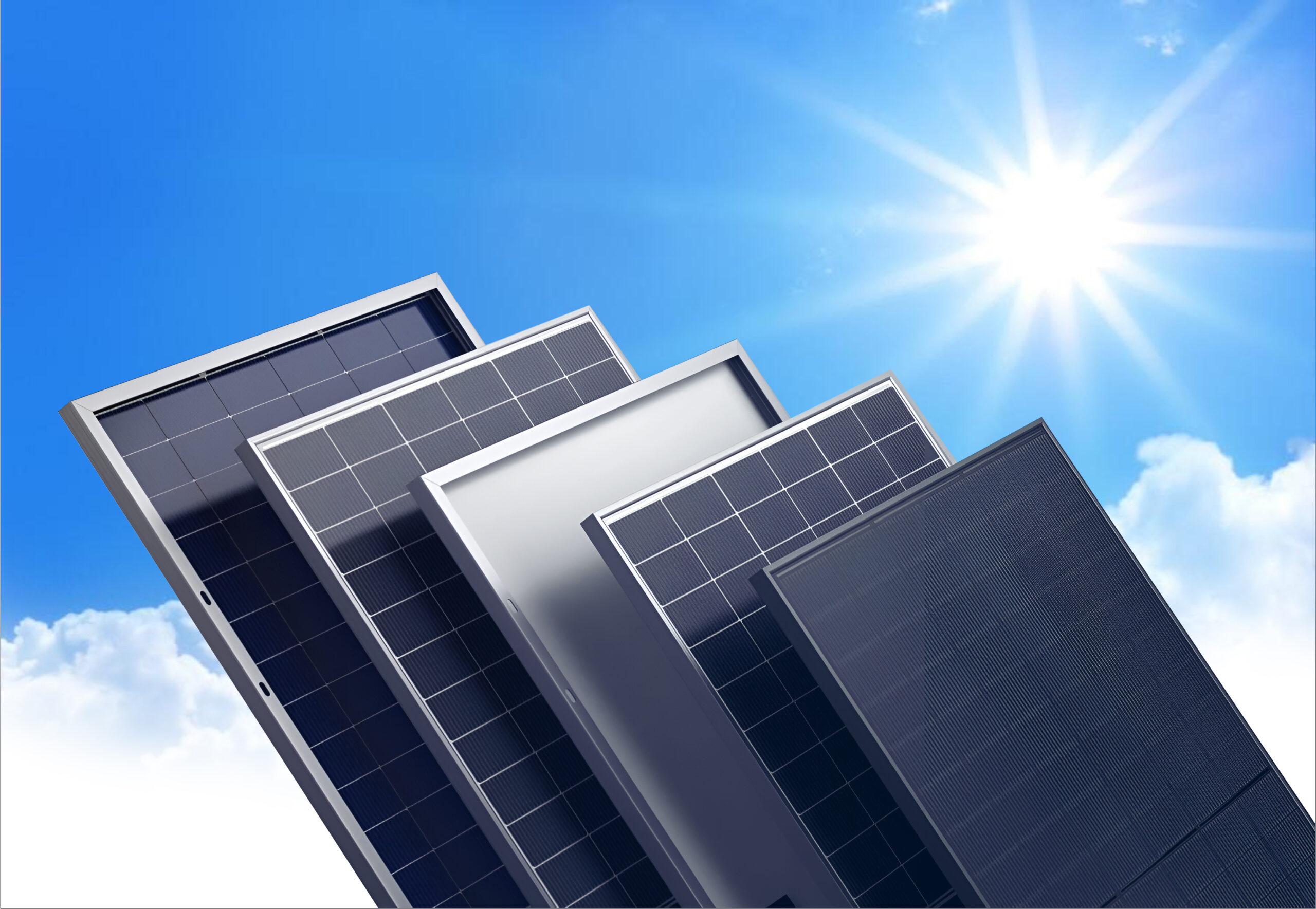
In this guide, we’ll break down the four main types of solar panels—monocrystalline, polycrystalline, thin-film, and bifacial—so you can decide which one will give you the best return on investment. We’ll also cover how our local weather impacts each type, and link you to more resources to help you plan your solar installation.

1. Monocrystalline Panels
What they are:
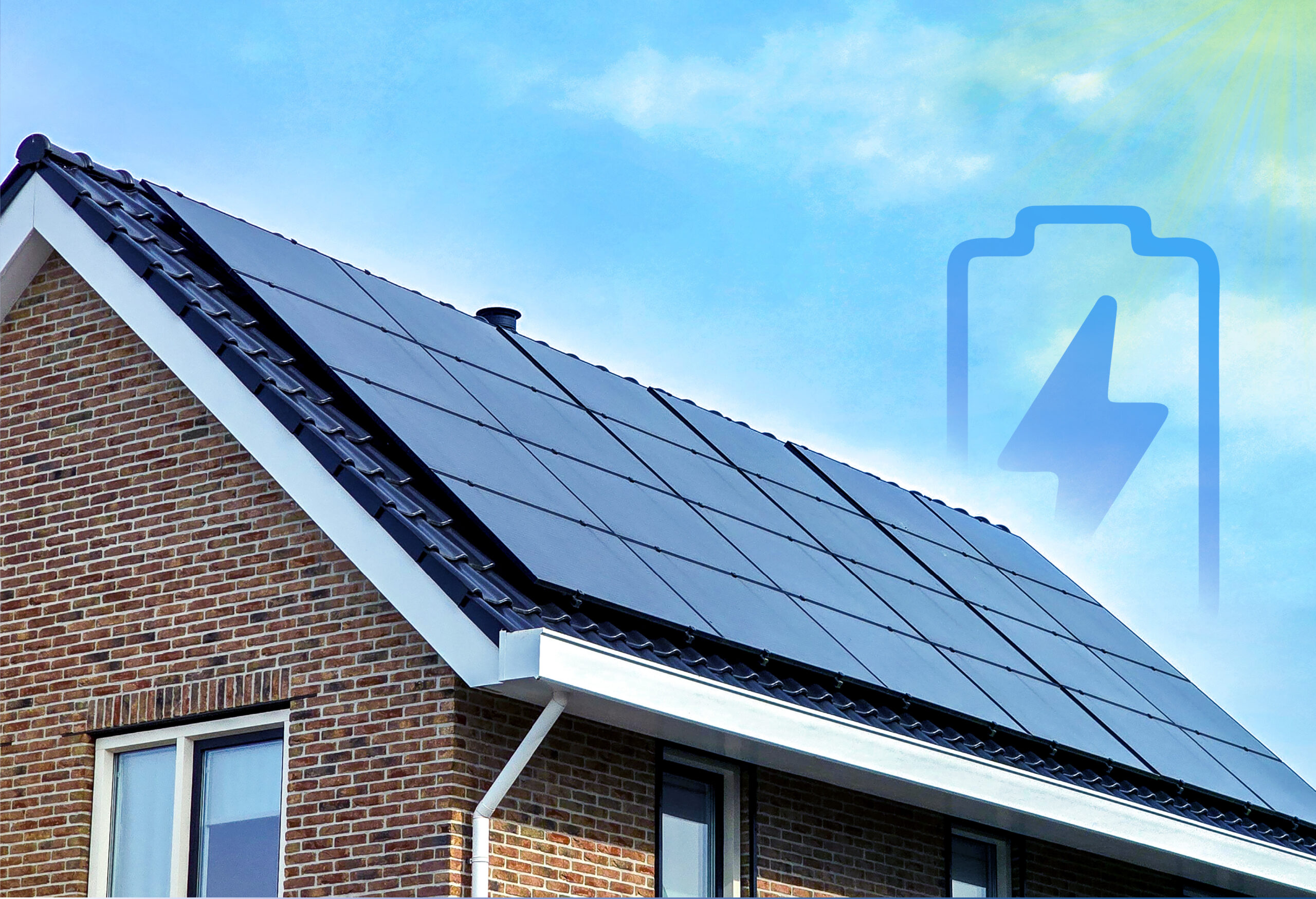
Monocrystalline panels are made from single-crystal silicon, which allows electrons to flow more efficiently, resulting in higher efficiency ratings. They’re often recognized by their sleek black appearance and rounded cell edges.
Efficiency & performance in Nova Scotia:
These panels typically have efficiencies of 19–23%, meaning they produce more power per square meter than most other types. In Nova Scotia, where roof space may be limited on some homes, the higher output per panel is a major advantage. They also tend to perform better in low-light conditions—great for our cloudy days.
Pros:
- High efficiency, even in low light
- Longer lifespan (25–30 years)
- Better space-to-power ratio
Cons:
- Higher upfront cost
- More performance drop at very high temperatures (though our cool climate helps)
Best for:
Homeowners with limited rooftop space or those prioritizing long-term performance and appearance.
💡 Related reading: If you’re wondering how climate affects performance, check out our article Proven Winter Solar Tips to Boost Nova Scotia Output
2. Polycrystalline Panels
What they are:
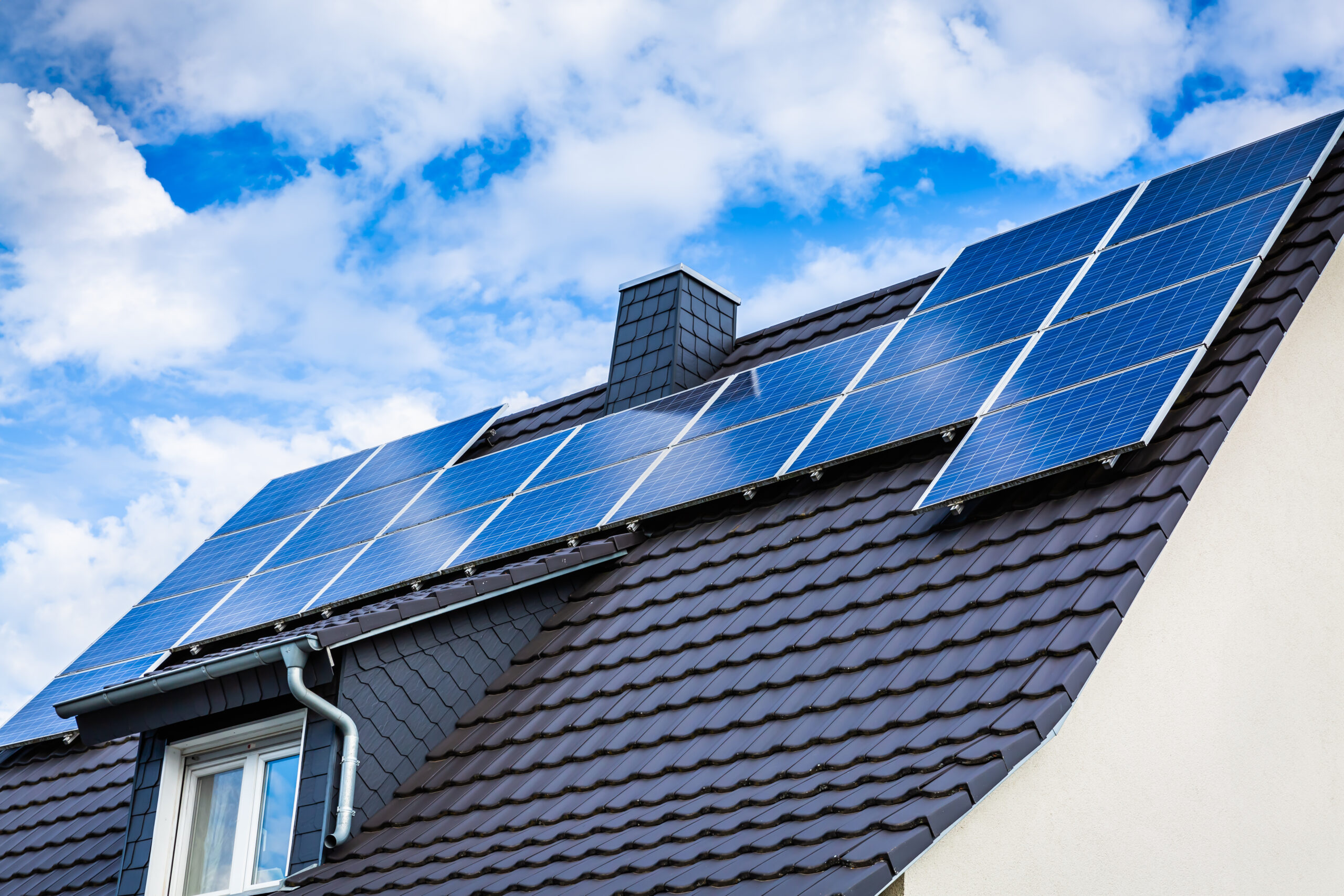
Polycrystalline panels are made from multiple silicon crystals melted together. They’re usually blue in color and have a speckled look.
Efficiency & performance in Nova Scotia:
These panels have slightly lower efficiency—about 15–17% —so they need more surface area to produce the same amount of energy as monocrystalline. In Nova Scotia, this can be fine if you have a large, unshaded roof or open ground space for mounting.
Pros:
- More affordable than monocrystalline
- Reliable and widely available
Cons:
- Lower efficiency, so more panels are needed
- Slightly shorter lifespan and higher degradation rates
Best for:
Budget-conscious homeowners with ample roof space and simple aesthetic priorities.
💡 Related reading: Learn how system sizing works in our Step-by-Step Guide to Install Solar Panels in Nova Scotia
3. Thin-Film Panels
What they are:
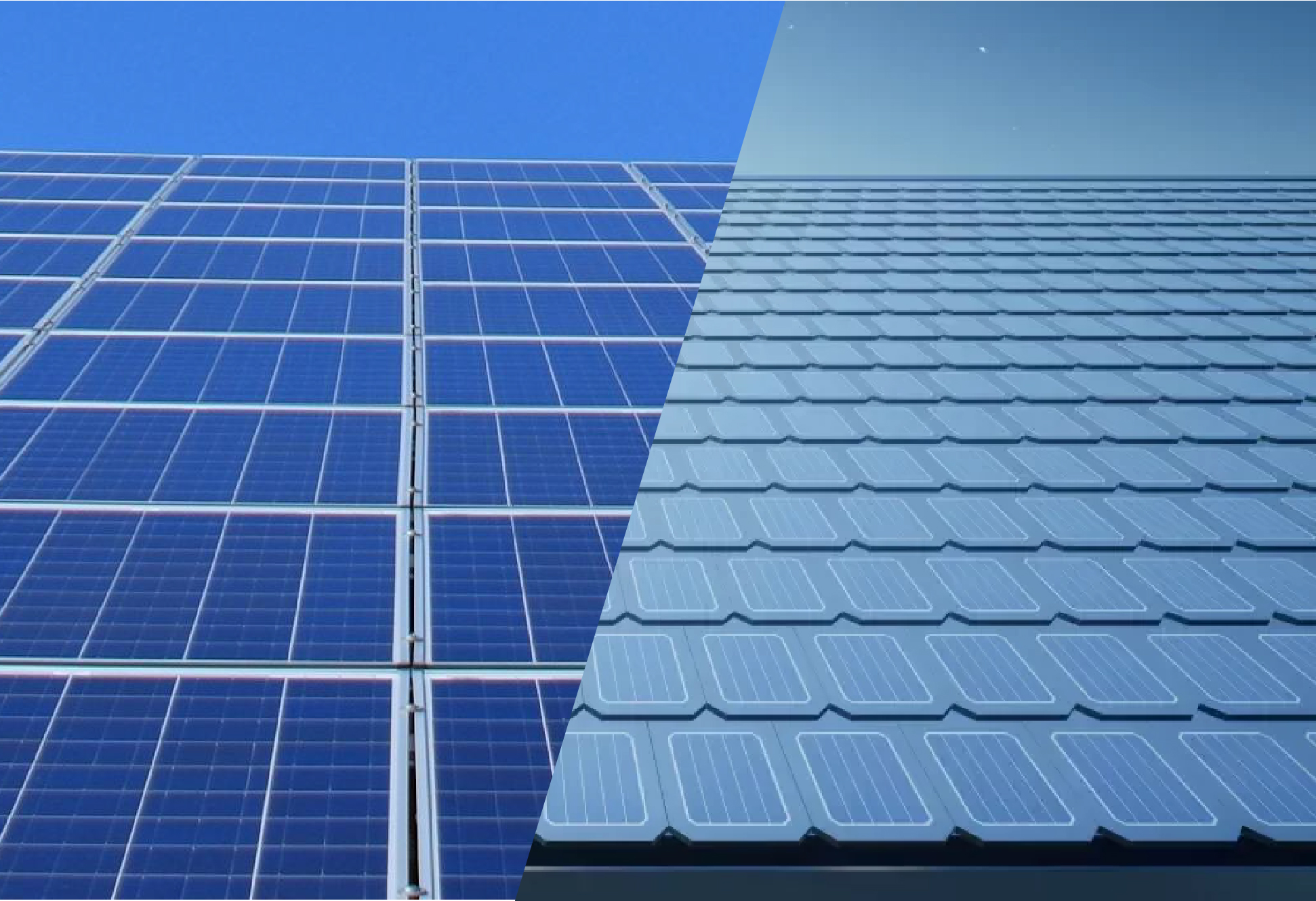
Thin-film panels are made by layering photovoltaic material (like cadmium telluride or amorphous silicon) onto glass or metal. They’re lightweight and flexible compared to crystalline panels.
Efficiency & performance in Nova Scotia:
Their efficiency is lower—around 10–13% —so they’re not usually the first choice for homes. However, they perform well in low light and high temperature conditions, which can be useful for certain applications like solar carports or large barns where roof weight is a concern.
Pros:
- Lightweight and easy to install on certain surfaces
- Performs better in shading and diffuse light
Cons:
- Requires much more space for the same output
- Shorter lifespan and more rapid efficiency loss over time
Best for:
Special cases like curved roofs or low-impact design choices—not generally recommended for standard homes.
💡 Related reading: Curious about return on investment? See How Much Can Solar Save? Slash Power Cost NOW
4. Bifacial Panels
What they are:
Bifacial panels generate power from both sides—the front captures direct sunlight, while the back absorbs reflected light from the ground or surrounding surfaces.
Efficiency & performance in Nova Scotia:
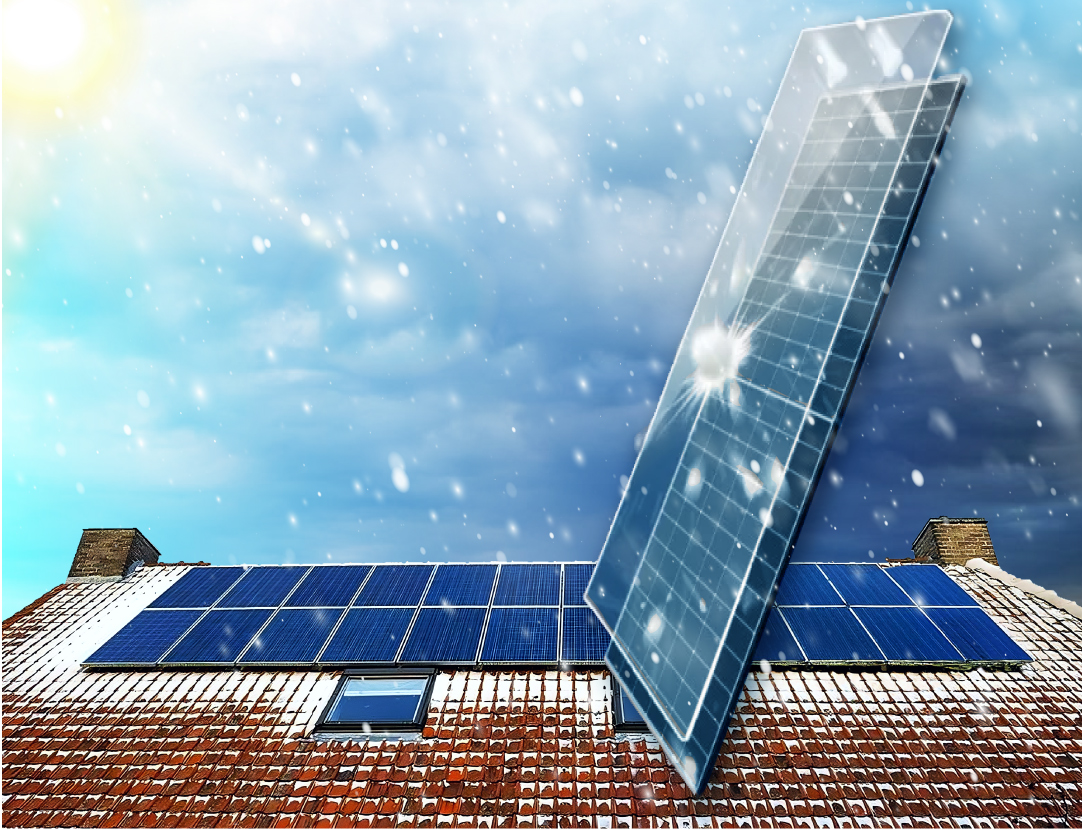
In snowy winters, bifacial panels shine—literally. Snow on the ground can reflect sunlight back onto the rear side, boosting winter output by up to 19% according to PV Magazine. They’re especially effective when mounted above light-colored surfaces or in elevated positions.
Pros:
- Can produce 5–20% more energy than monofacial panels
- Dual-glass design offers durability and lower degradation
- Ideal for snowy or reflective environments like Nova Scotia
Cons:
- Higher upfront cost than standard panels
- Requires careful installation to maximize rear-side exposure
Best for:
Ground-mounted arrays, carports, or rooftops with high clearance and reflective surfaces—where you can tap that rear-side advantage.
💡 Related reading: Our in-depth guide Bifacial Solar Panels in Nova Scotia
Climate Tips & Helpful Internal Resources
- Snow & Winter Performance: Solar panels still work well in winter, with low energy loss and sometimes better output due to cold efficiency and snow reflection.
- Net Metering Boost: Nova Scotia offers full retail credit for excess solar fed back into the grid, essentially using the grid like a battery and supercharging ROI.
- Avoiding Snow Loss: A steeper panel tilt encourages snow shedding. Check out winter tips in our Winter Solar in Nova Scotia article for deeper insight.
Which One is Right for You?
Type | Efficiency | Cost | Best Fit | Lifespan |
Monocrystalline | ★★★★☆ | $$$ | Small roofs, high output | 25-30 years |
Polycrystalline | ★★★☆☆ | $$ | Large roofs, budget-friendly | 20-25 years |
Thin-Film | ★★☆☆☆ | $$ | Lightweight surfaces | 10-20 years |
Bifacial | ★★★★☆ | $$$ | Snowy/coastal locations | 25-30 years |
Final Thoughts
Choosing from the types of solar panels should be based on efficiency needs, climate considerations, aesthetics, and budget. In Nova Scotia, when the sky is gray or snow blankets your yard, solar still delivers remarkable value. Monocrystalline is a high-performance all-rounder. Poly is great for tight budgets with extra roof space. Bifacial shines where you can harness reflected light, and thin-film offers style over substance for niche installs.
Your net metering credits and local rebates make any of these options more cost-effective than you’d expect. Combine clear goals with a good installer, and solar in NS becomes a smart, long-term energy solution.