Author: Mariela Guanchez
Bifacial Solar Panels in Nova Scotia
What Makes Bifacial Different?
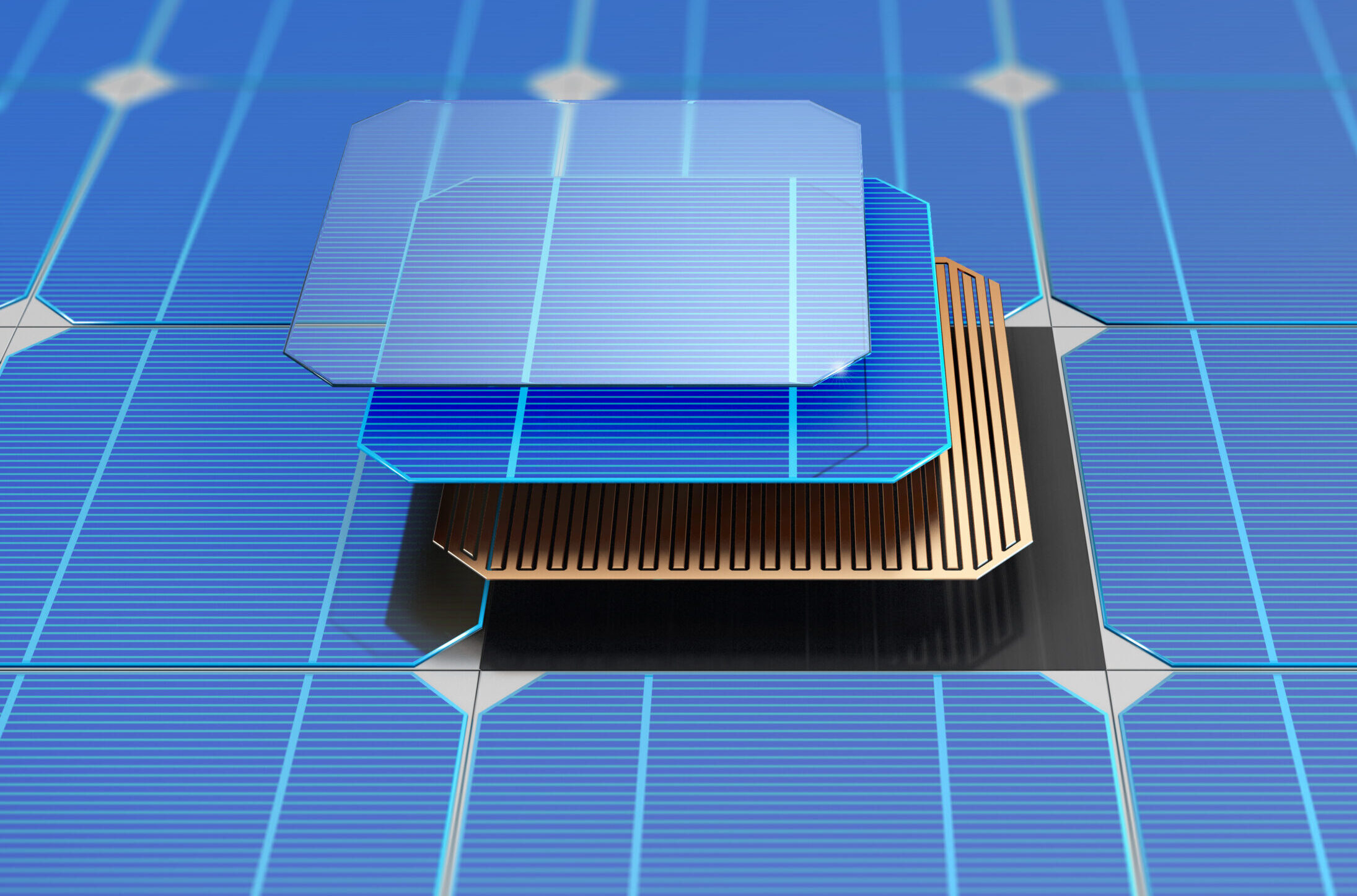
Unlike a classic monofacial module, a bifacial solar panel has solar cells exposed on both the front and back. A clear rear glass lets the underside soak up light that bounces off snow, sand, bright roofs—whatever’s below. Lab and field data show gains of 5 – 30 % over monofacial, with less than a 10 % price premium at the panel level (per NREL). Think two-sided sponge: more power, same footprint.

Nova Scotia Advantages
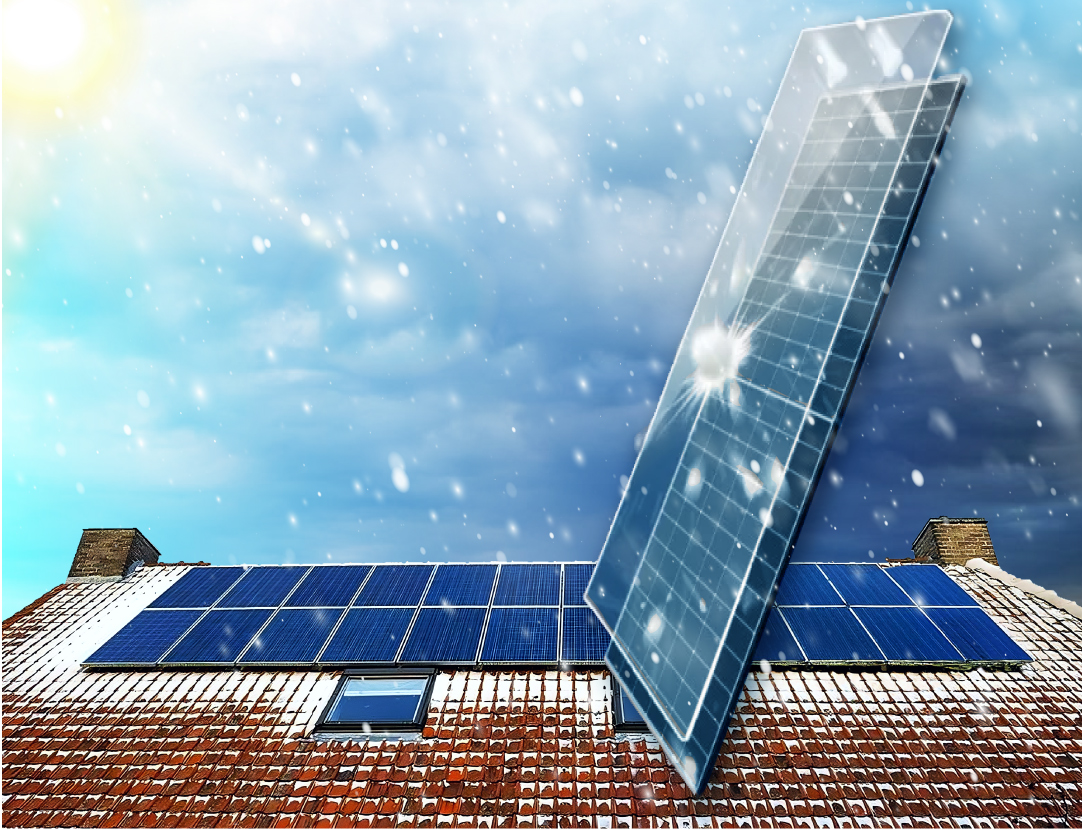
- Snow = free mirror. A Western U study measured a 19 % winter boost from snow reflection, slicing seasonal losses to ~2 %.
- Low winter sun. Shallow angles let rear cells grab dawn/dusk and diffuse light that monofacials miss.
- Ground albedo. Light-colored gravel, concrete patios, or dormant grass bounce photons upward; adding white surfacing under a ground mount can tack on a few extra percent.
TL;DR—our mix of snow, reflective surfaces and crisp air is basically bifacial catnip.
Yield, Cost & Mounting at a Glance
Factor | Bifacial | Monofacial |
Typical annual gain (NS) | +5 – 15 %; up to 20 % in peak-snow months | — |
Panel price delta | < 10 % more | Baseline |
System size | Fewer modules for same kWh | More modules |
Best mounting | Space behind panel + bright surface | Any |
Pro tip: If the back is tight against a dark shingle roof, expect 0–5 % gain. Leave ≥20 cm gap and keep the surface light to unlock real value.
JA Solar Spotlight—Built for the Maritimes
- Flagship: JAM54D41-440/455 W dual-glass, ~22.8 % efficiency, 25-yr product & 30-yr performance warranty (87 % power at year 30).
- Dual-glass build: Extra resistance to moisture, salt mist, PID—perfect for coastal gusts.
- PERCIUM & n-type TOPCon cells: ~3–4 % more energy than older p-type bifacials.
- Heavy-duty ratings: High wind & snow loads; ideal for nor’easters.
I’ve watched a local Halifax array with these modules crank out power on a partly cloudy, snowy day—the backs were faintly glowing from ground reflection. Proof in the pudding.

How Much Extra Energy Will You See?
- Light-grey metal roof, 6 kW: ~10 % annual bump → ≈650 kWh extra.
- Ground mount over white gravel, 8 kW: ~15 % bump.
- Flush-mounted on dark shingles: 0–5 % bump.
Model your site with PVSyst/SAM; a quality installer will run the numbers.
Net Metering: Turning Bonus kWh into Dollars
Nova Scotia credits every surplus kWh 1:1. More bifacial output means more credits, shaving a year (sometimes two) off payback. Size the array to match annual use—credits expire if wildly overproduced—then let winter reflection top up the account.
Low-Key Maintenance
- Rinse front & back once or twice a year; add an extra rinse if you’re ocean-side.
- Snow? A soft roof rake speeds clearing, but studies show bifacials melt off faster on their own.
- Backside check: Keep weeds, boxes, or cables from shading rear glass.
Dual-glass panels shrug off salt and temperature swings; just give hardware a salt-spray once-over each spring.
Quick Links for Deeper Reading
- Step-by-Step Guide to Install Solar Panels in Nova Scotia
- Best Solar Panel Deals in Nova Scotia – Save Big
- Troubleshoot Solar Panels: Fix Drop in Output Fast
Conclusion: Is Bifacial Right for You?
If your roof or yard offers some breathing room and a light surface, bifacial solar panels from JA Solar can turn snowdrifts and coastal glare into kilowatt-hours—no extra square footage required. Pair that with net metering and you’ve got a faster ROI, lower bills, and panels tough enough for salty Atlantic gales.
Ready to see whether your property can shine from both sides? Book a free assessment and let’s transform that Nova Scotian snow into pure solar bonus.