Author: Mariela Guanchez
If you’re considering solar, it’s wise to ask—how much do solar panels decline in efficiency over time? In Nova Scotia’s climate, your system can still deliver strong performance for decades, as long as you understand the degradation timeline and choose high-quality panels. Here’s what you need to know.

What Does “Efficiency Degradation” Mean?
Solar panels don’t stop producing power suddenly—they gradually lose efficiency. The term degradation rate refers to the percentage drop in a panel’s output year over year. According to NREL, a benchmark institute, the median degradation rate for modern crystalline silicon panels is around 0.5% per year. This means a panel retains about 90% of its initial output after 20 years.
Real-World Degradation Data
Several credible studies confirm modest declines in performance:
- A recent PV Magazine report states that degradation commonly averages 0.5% annually, allowing panels to operate for 25–30 years—though they may still produce usable power beyond that point
- The NREL PV Lifetime Project found that certain manufacturers (e.g., QCells and LONGi) maintain low degradation rates of 0.3%–0.4% per year; others like Jinko or Trina fall between 0.35%–0.55% per year, often concentrated in the first year.
- Some high-performing cases show panels retaining 80–85% of their capacity after 25 years—meaning a loss of only 0.5–0.8% per year.
Degradation in 25-Year Retrospect
Let’s break it down:
- Year 1: Expect a small drop of 1–3% due to light-induced degradation (LID).
- Years 2–25: Steady loss at ~0.3–0.5% annually.
- By Year 10: Your panel still performs at ~95–97%.
- By Year 20: Production is around 90–93%.
- By Year 25: Expect 85–90% of original output
Factors That Affect Longevity in Nova Scotia
Nova Scotia’s conditions—snow, salt air, wind, and freeze-thaw cycles—play a role in degradation:
- Salt-mist corrosion from coastal areas can stress materials. Panels certified for marine environments and robust racking help combat this.
- Seasonal temperature swings strain the glass and seals. Dual-glass or bifacial panels tend to withstand these cycles better.
- Snow, reflection, and albedo can be a double benefit. Bifacial panels in snowy regions often record 10–20% higher winter output, partially offsetting losses.
- Soiling—dust, pollen, salt spray—can reduce performance, commonly by 3–4% annually in snow-rich areas, unless the system is periodically cleaned
Technology Differences Matter
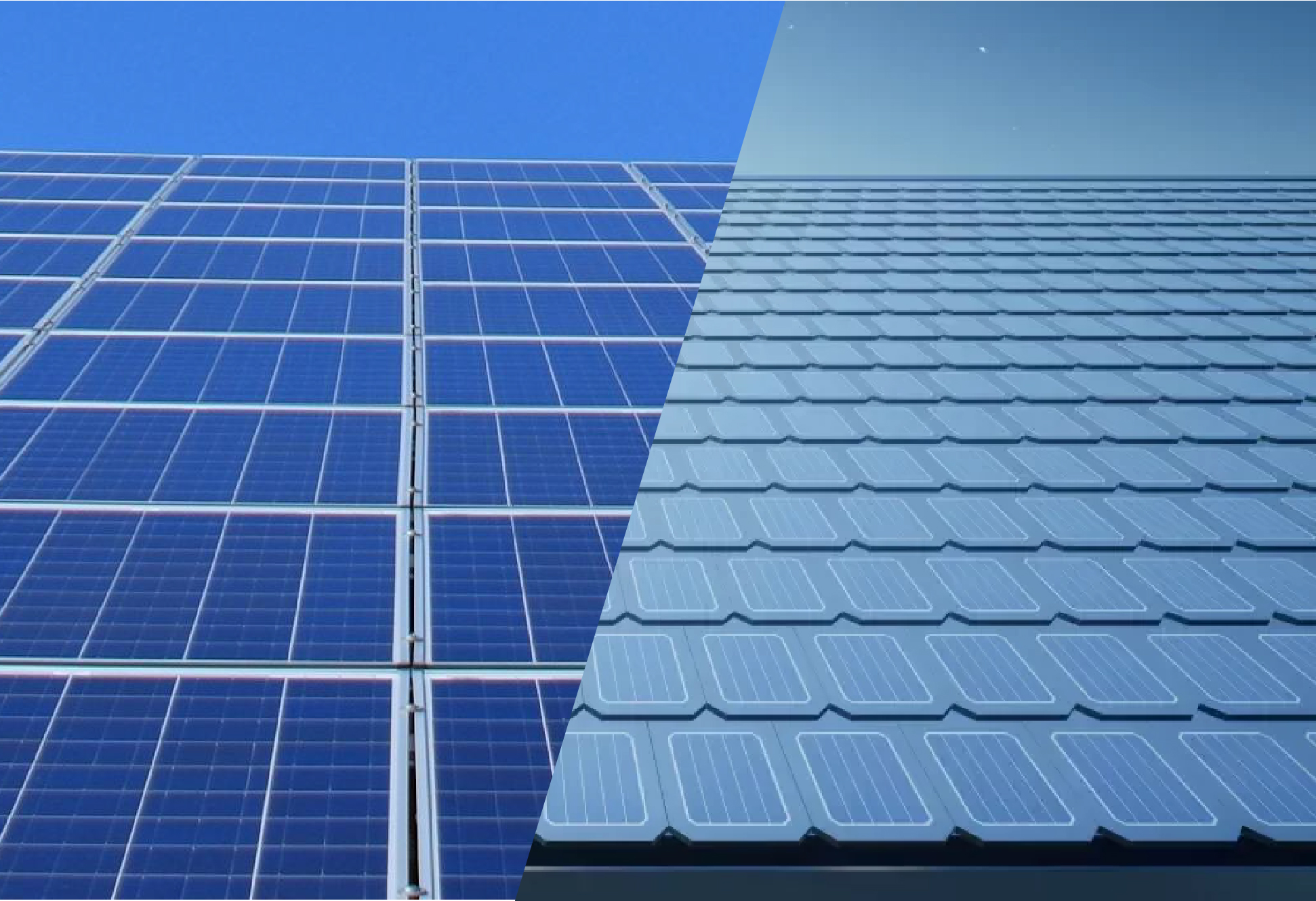
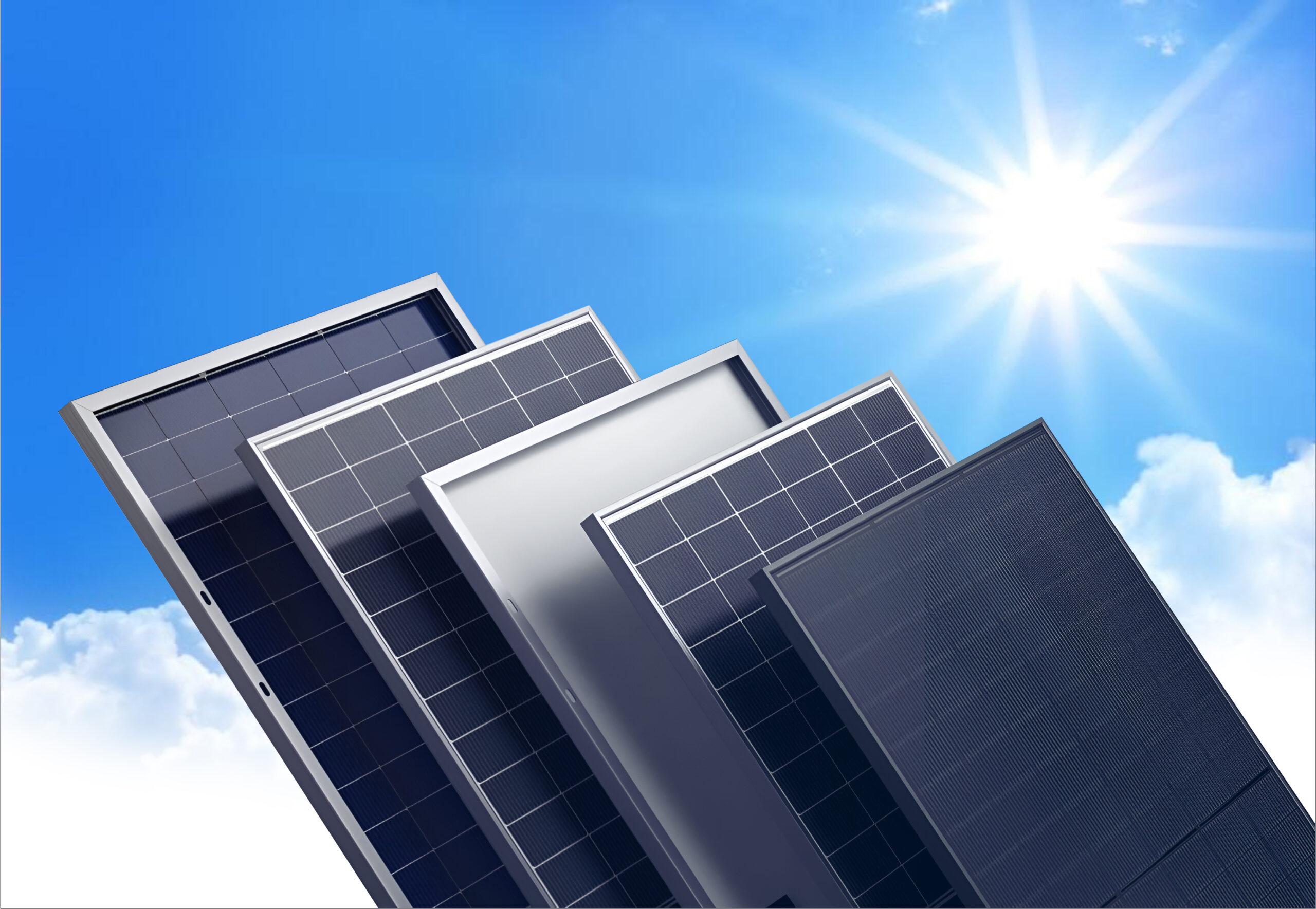
- Monocrystalline panels: Degrade slowly (~0.3–0.5% per year).
- Thin-film (e.g., a-Si, CdTe): Higher initial degradation (up to 3–4%), then stabilize
- Bifacial panels: Often more durable thanks to dual-glass, sometimes outperforming mono variants under snow and coastal conditions
Table: Efficiency Over 25 Years for a 10 kW System in Halifax
Year | Estimated Efficiency (%) | Estimated Annual Output (kWh) |
1 | 100 % | 12,000 |
10 | 95 % | 11,400 |
20 | 90 % | 10,800 |
25 | 85 % | 10,200 |
(Assuming initial annual yield of 12,000 kWh)
Tips to Maximize Long-Term Performance
- Choose panels with ≥25-year performance warranties at 80–85% power output.
- Prioritize salt-mist resistance and sturdy racking—especially for coastal homes.
- Promote optimal orientation and tilt, enabling efficient snow shedding and reduced shading.
- Use inverter-based system monitoring to catch output drops early.
- Schedule gentle professional cleanings, especially after storms.
- Consider bifacial modules to harness snow reflectance and extend seasonal productivity.
Related reads: Bifacial Panels for Nova Scotia, Troubleshooting Solar Panels, Payback Period Guide
Final Takeaway
Understanding solar panel efficiency over time is vital for planning a system that endures. While all panels degrade, high-quality crystalline silicon modules typically lose only 0.3–0.5% per year, maintaining meaningful output for decades. In Nova Scotia’s climate, smart technology and design choices help ensure your panels continue producing clean, cost-effective energy well into the future.