Author: Mariela Guanchez
If you’ve ever asked yourself, “How many solar panels do I need?” you’re not alone. In Nova Scotia, where energy costs have been steadily climbing and the province offers a supportive net metering program, more homeowners are turning to solar. But figuring out the right system size is part science, part math, and part understanding your home’s unique conditions.
In this guide, we’ll break down how to calculate the number of panels you need, explain the factors that influence the total, and show you how Nova Scotia’s climate plays a role. We’ll also walk through a sample calculation and link to resources that help you make the most of your solar investment.

Step 1: Understand Your Annual Electricity Use
The starting point for any solar calculation is your annual electricity consumption, measured in kilowatt-hours (kWh). You can find this on your Nova Scotia Power bill, often in a 12-month summary.
For example:
- Average home in Nova Scotia: ~9,000 kWh/year
- Larger homes with electric heating: 12,000–15,000 kWh/year
- Homes with heat pumps or EV chargers: can exceed 18,000 kWh/year
The goal with a grid-tied system is usually to size your solar so that annual production matches your annual usage — offsetting your power bill as much as possible under net metering.
(Related reading: Top Tips to Shorten Your Solar Payback Period in Canada)
Step 2: Know Your Local Solar Production Potential
Solar production depends heavily on where you live. Nova Scotia gets a decent amount of sun — not Arizona levels, but better than you might think. Data from Natural Resources Canada shows that:
- Halifax: ~1,200–1,250 kWh/kW/year
- Cape Breton: ~1,150–1,200 kWh/kW/year
- Annapolis Valley: ~1,250–1,300 kWh/kW/year
That means a 1 kW solar system in Halifax will produce about 1,225 kWh per year in average conditions.
Step 3: Panel Wattage and Efficiency
Modern residential solar panels typically range from 350 to 450 watts per panel. Higher-wattage panels produce more energy in less space — a big advantage if your roof area is limited.
Example:
- 400W panel × 10 panels = 4,000W (4 kW) system
- Annual production in Halifax = 4 kW × 1,225 kWh/kW/year ≈ 4,900 kWh/year
Step 4: Calculate Your System Size
To find out the system size you need:
System size (kW) = Annual usage (kWh) ÷ Local annual production per kW
Example:
- Annual usage = 9,000 kWh
- Halifax production = 1,225 kWh/kW/year
- 9,000 ÷ 1,225 ≈ 7.35 kW system needed
Step 5: Convert to Number of Panels
Number of panels = System size (kW) × 1,000 ÷ Panel wattage (W)
If using 400W panels:
- 7.35 × 1,000 ÷ 400 ≈ 19 panels
So, a typical home in Halifax using 9,000 kWh/year might need about 19 panels at 400 watts each to offset most of the electricity bill.
Step 6: Factors That Can Change the Number
- Roof Orientation & Tilt
South-facing roofs capture the most sun. East- or west-facing roofs still work but may require more panels to make up for reduced production. - Shading
Trees, chimneys, or nearby buildings can shade panels and reduce energy yield. If shading is unavoidable, you may need more panels or optimizers/microinverters. - Panel Type
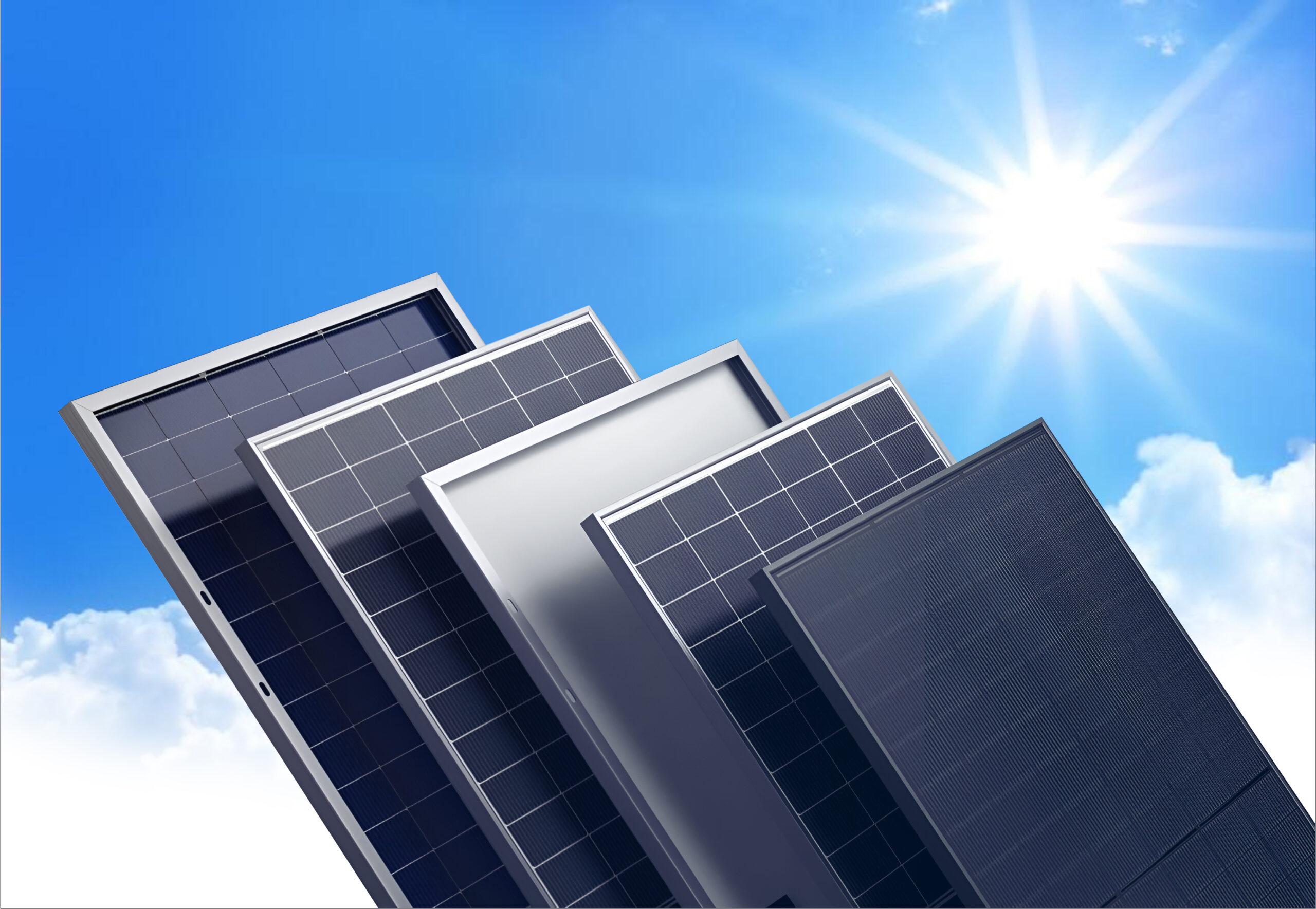
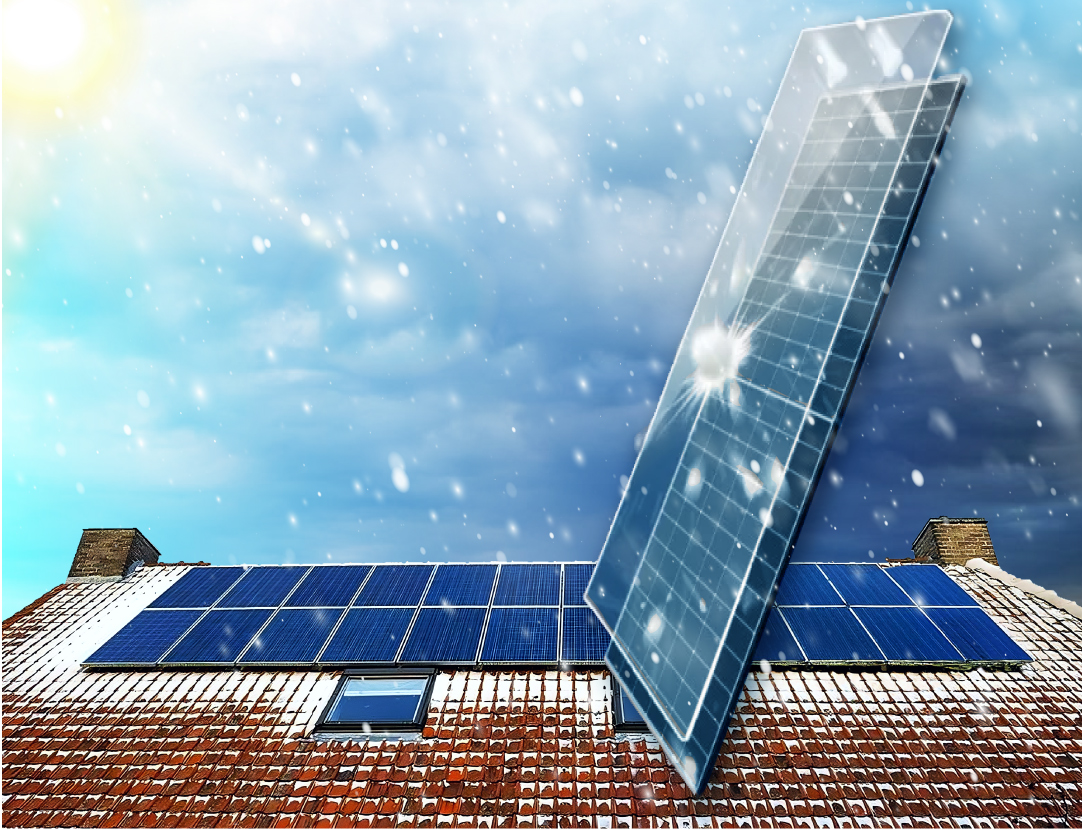
High-efficiency panels (including bifacial panels) can produce more energy per square foot, especially in snowy Nova Scotia winters. - Future Energy Use
Planning to buy an electric vehicle or switch to electric heating? Add that usage into your calculation now to avoid undersizing your system. - Snow Cover
While snow can temporarily reduce production, bifacial technology and higher tilt angles can help recover some winter losses.
Step 7: Example — Halifax Home with Heat Pump
- Current annual use: 12,500 kWh
- Plans to add an EV in 2 years: +3,000 kWh/year
- Total estimated future usage: 15,500 kWh/year
- Halifax production: 1,225 kWh/kW/year
- Needed system: 15,500 ÷ 1,225 ≈ 12.65 kW
- Using 400W panels: 12.65 × 1,000 ÷ 400 ≈ 32 panels
This homeowner would likely install 32 panels now to cover future needs and maximize net metering benefits.
(Related reading: Step-by-Step Guide to Installing Solar Panels in Nova Scotia)
Step 8: Understanding Net Metering’s Role
Nova Scotia’s Net Metering Program lets you send excess electricity to the grid and receive credits. In summer, when production exceeds consumption, you build credits that can be used in winter. The goal is annual balance — producing about as much as you consume in a year.
Oversizing your system too much won’t result in cash payouts; you’ll just accumulate credits that may expire. That’s why accurate sizing is so important.
Step 9: Roof Space Requirements
The physical space you need depends on panel size. A typical 400W panel is about 1.1 m × 1.8 m (≈ 19.4 sq ft).
Example:
- 20 panels × 19.4 sq ft ≈ 388 sq ft of usable roof space
Remember to account for walkway space, setbacks, and obstacles.
Step 10: Climate Considerations in Nova Scotia
Nova Scotia’s weather patterns influence panel count and placement:
- Snow: Can block panels temporarily, but reflective snow can boost bifacial panel performance in winter.
- Coastal Salt Air: Panels should be salt-mist resistant for longevity.
- Wind: Racking systems must be rated for high wind loads (up to 225 km/h in some areas).
Putting It All Together
Here’s a quick reference table:
Annual Usage (kWh) | System Size Needed (kW) | # of 400W Panels |
6,000 | 4.9 | 13 |
9,000 | 7.35 | 19 |
12,000 | 9.8 | 25 |
15,000 | 12.25 | 31 |
Pro Tips for Nova Scotia Homeowners
- Plan for the future: Add extra capacity now if you anticipate higher electricity use.
- Consider winter tilt: Steeper angles can reduce snow accumulation and improve winter production.
- Monitor performance: Use your inverter’s app to track daily output and spot issues early.
- Choose quality components: Panels with strong warranties (25+ years) and salt-mist certification are ideal here.
Conclusion
The number of solar panels you need in Nova Scotia depends on your annual electricity use, local sunlight, roof orientation, and panel wattage. For most homes, the answer falls between 15 and 30 panels for a grid-tied system. By understanding these factors — and working with a knowledgeable local installer — you can design a system that maximizes savings under net metering and keeps your home powered for decades.
For more insights, check out: