Author: Mariela Guanchez
Solar power is transforming homes across Nova Scotia, turning rooftops into small clean-energy power plants. Every year, more families are choosing to generate their own electricity and reduce both their power bills and carbon footprint.
But how exactly does sunlight become usable electricity? In this guide, we’ll explain how solar energy is produced, step by step, focusing on grid-tied systems—the most common setup for Nova Scotian homes.
We’ll explore how panels convert light into power, how inverters make that power usable, and what happens to surplus energy through net metering. You’ll also learn about the environmental benefits that make solar a key player in Nova Scotia’s clean energy future.
From Sunlight to Power: How Solar Panels Work
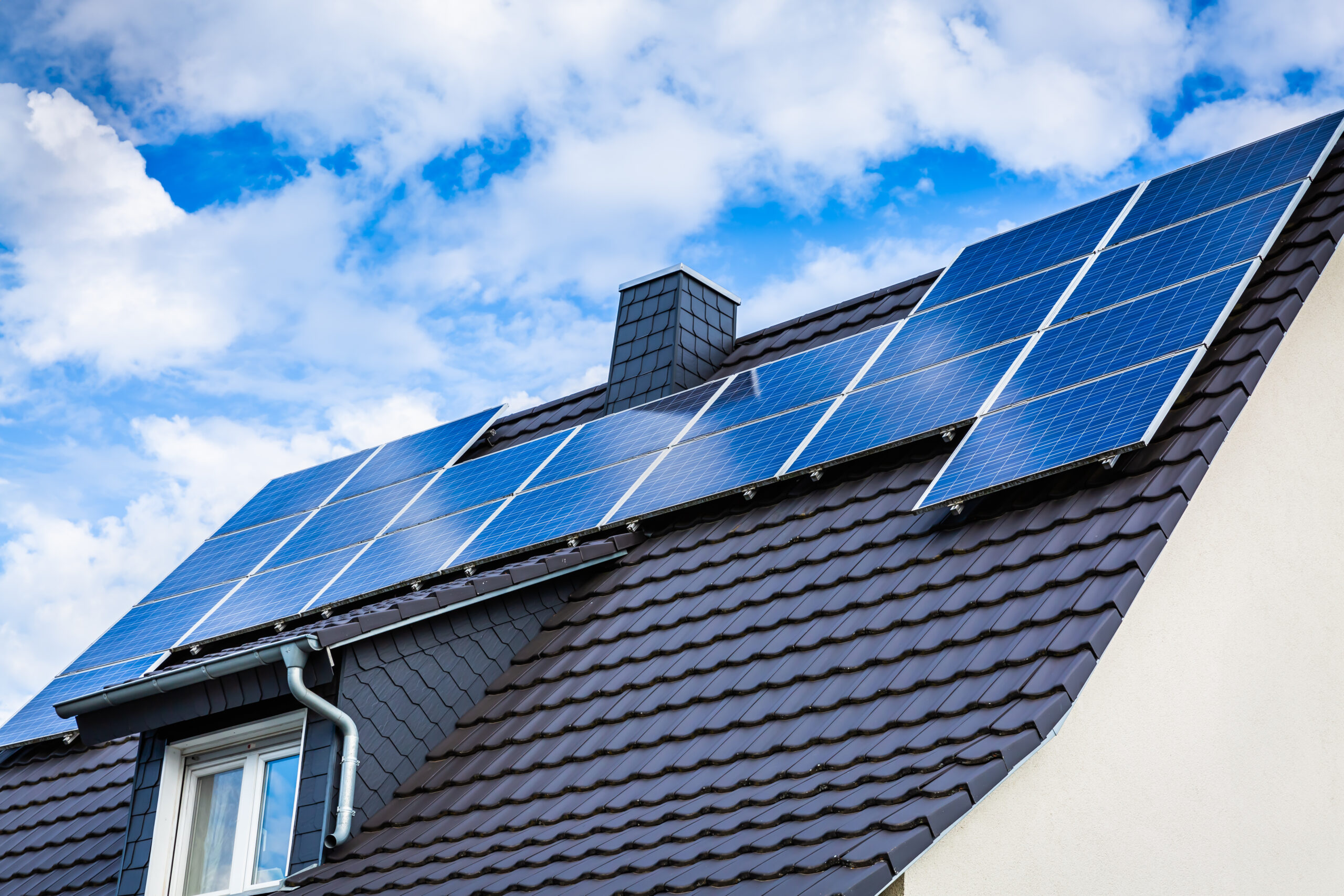
Every solar system starts with the solar panels themselves.
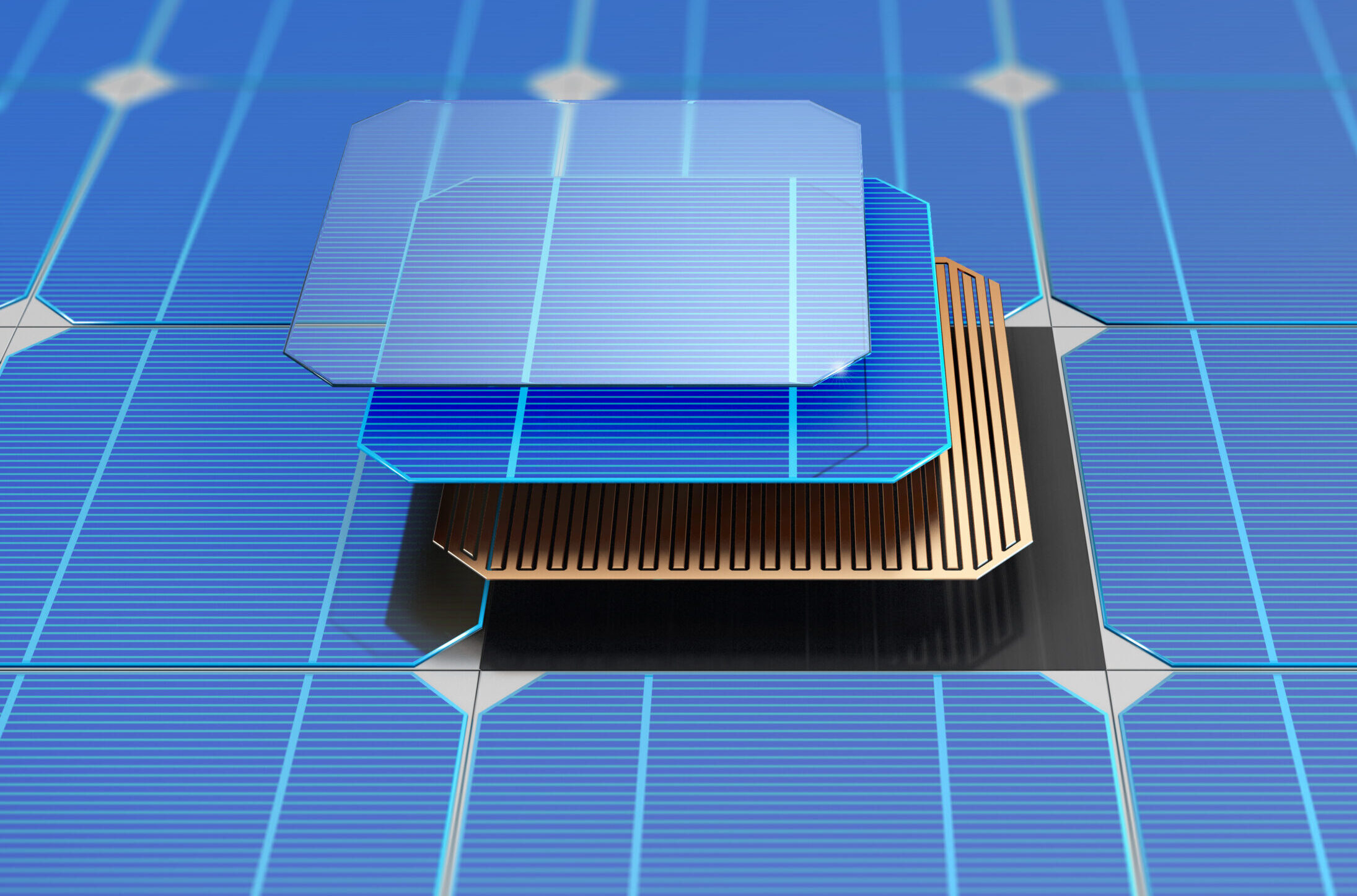
Each panel is made of photovoltaic (PV) cells, usually composed of silicon, a semiconductor material that produces electricity when exposed to sunlight. When sunlight hits these cells, photons knock electrons loose, creating an electrical current.
That flow of electrons is direct current (DC) — the raw form of electricity generated by the sun. This process is known as the photovoltaic effect, and it’s the foundation of all modern solar technology (U.S. Department of Energy).
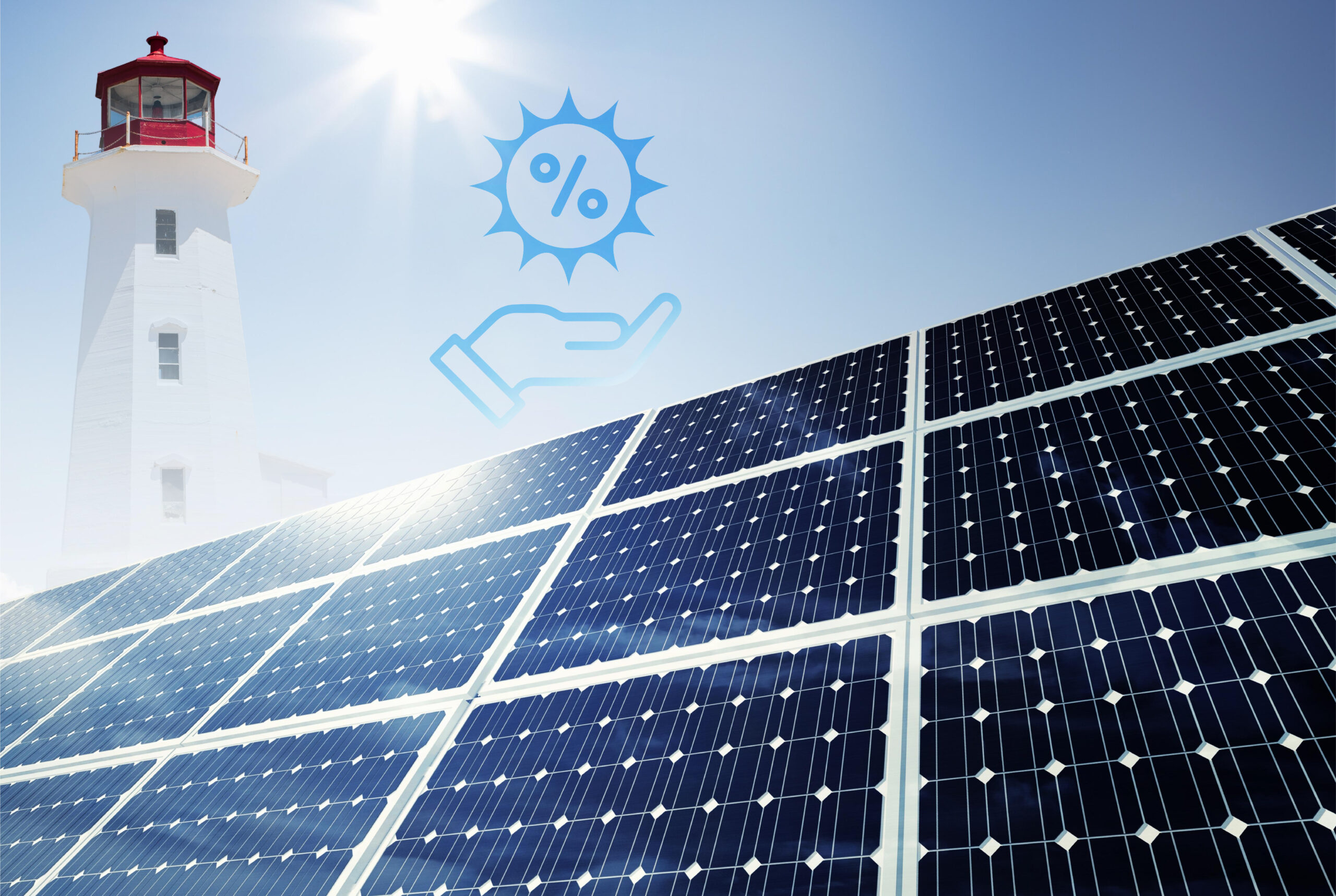
Solar panels have no moving parts, which makes them incredibly reliable. According to the National Renewable Energy Laboratory (NREL), most panels lose only about 0.5% efficiency per year, maintaining 85–90% of their original output after 25 years. That’s why solar is such a durable long-term investment—especially in Nova Scotia’s coastal climate.
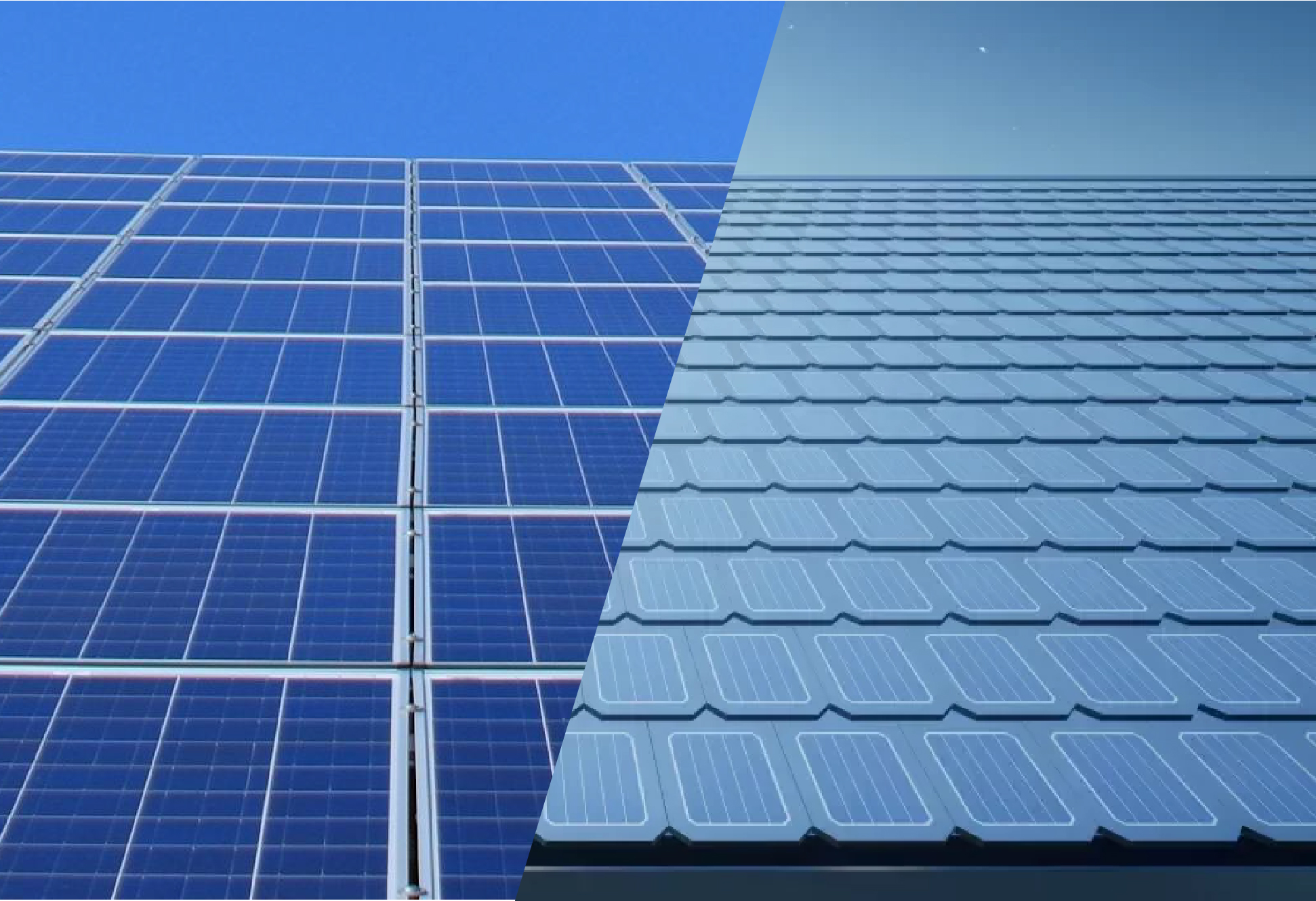
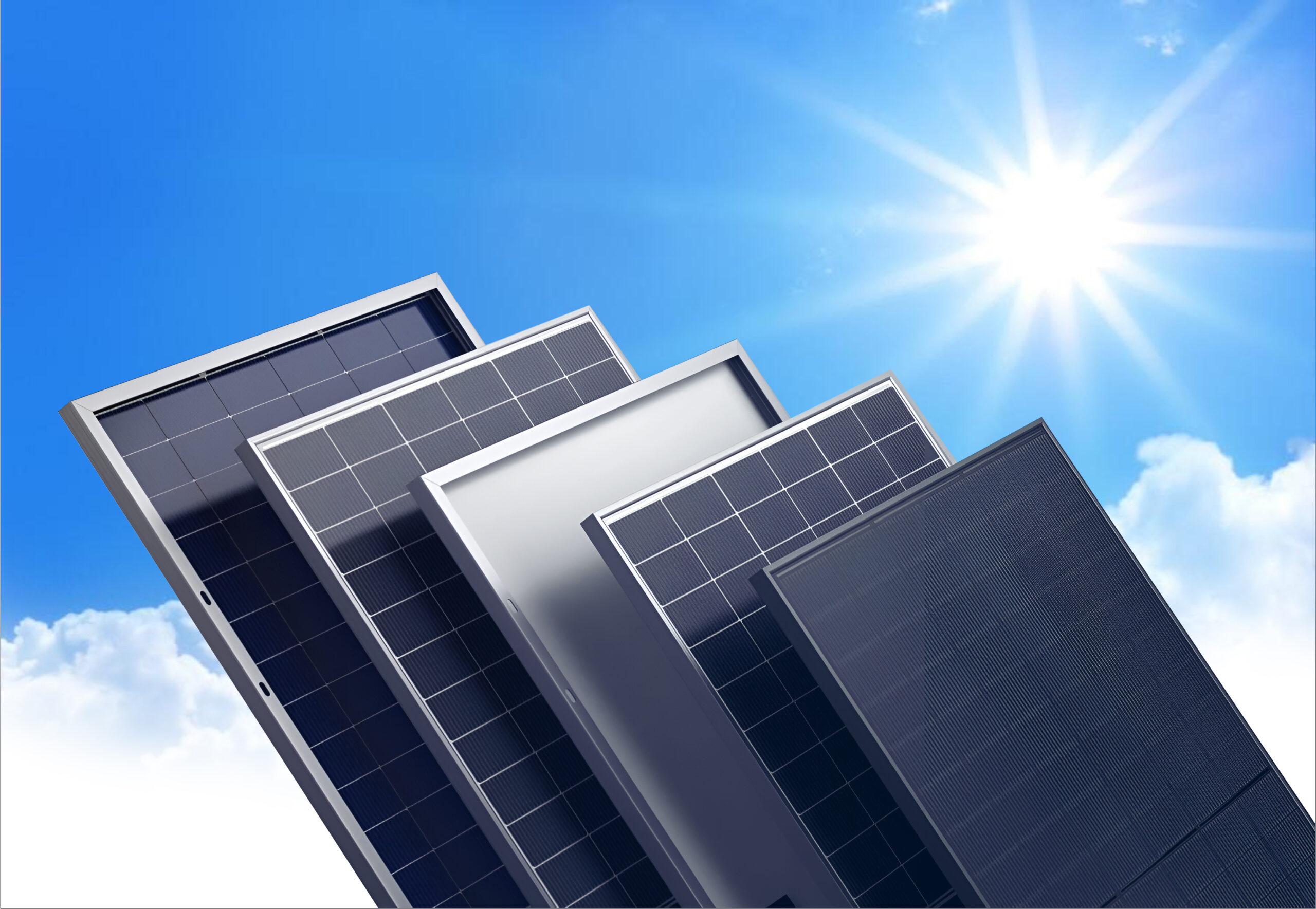
There are a few main types of solar panels: monocrystalline, polycrystalline, and bifacial.
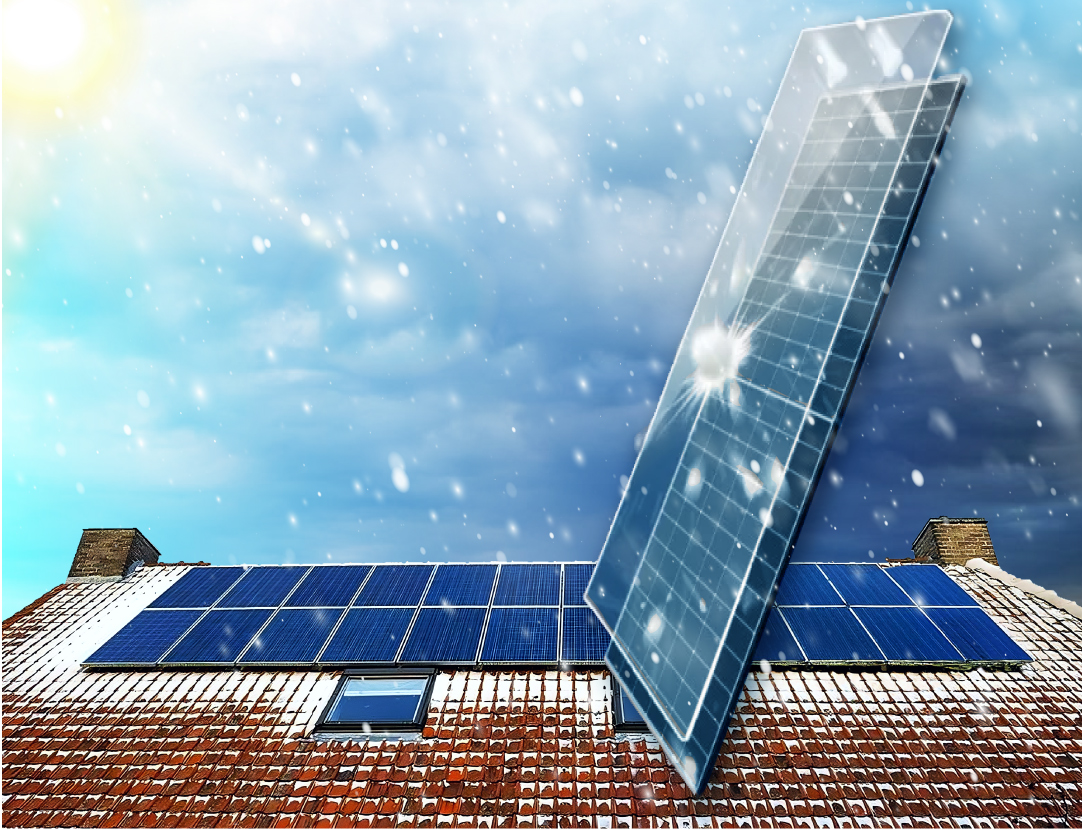
Bifacial solar panels, in particular, can capture sunlight from both the front and the back, absorbing light reflected off bright surfaces such as snow or light-colored roofs. Under ideal conditions, this design can increase energy output by 5–30% (PV Magazine).
In a province like Nova Scotia—where snowy winters and reflective landscapes are common—bifacial technology can provide a real performance advantage.
(To learn more about this technology, check out our article “Bifacial Solar Panels in Nova Scotia: A Homeowner’s Guide” where we break down how they work and why they’re perfect for coastal climates.)
The Inverter’s Role: Turning DC into Home-Ready Power
The electricity generated by your solar panels is DC (direct current), but your home and the utility grid use AC (alternating current).
That’s where the solar inverter comes in. The inverter converts DC electricity into AC, ensuring it’s perfectly synchronized with the grid’s voltage and frequency (60 Hz in Canada).
Modern inverters work automatically and safely. If the grid goes down, the inverter shuts off immediately to prevent any power from flowing back and endangering line workers. Some homes use a single “string inverter,” while others use microinverters—small devices installed behind each panel. Either way, their job is to transform your solar energy into grid-compatible electricity that powers everything from your fridge to your phone charger.
How Solar Energy Flows Through Your Home
Once the inverter has done its job, the electricity flows to your home’s main electrical panel (breaker box).
From there, it powers your lights, appliances, and devices—solar energy always gets used first. If your solar system isn’t producing enough at a given moment (for instance, at night or on a very cloudy day), your home automatically pulls the remainder from the utility grid.
On bright sunny days, though, you might produce more electricity than you need. That surplus power doesn’t go to waste—it flows back to the grid through your bidirectional meter, which records both the electricity you import and the surplus you export.
This balance between generation and consumption is the basis for one of the most homeowner-friendly programs available in the province: net metering.
What Happens to Surplus Power: Net Metering in Nova Scotia
Net metering is the financial backbone of residential solar systems in Nova Scotia.
When your panels produce more energy than your home uses, the excess is sent to the grid and you earn one-for-one credits on your power bill (Nova Scotia Power – Net Metering).
Here’s how it works:
- During sunny hours, your system might export 10 kWh of electricity to the grid.
- Later, at night, you can pull 10 kWh back from the grid without paying for it—the credits cancel out.
If you generate more than you consume in a given month, your credits roll forward to offset future bills. Over the course of the year, many Nova Scotian households use summer credits to cover winter consumption.
The system isn’t designed to sell power for profit—it’s meant to offset your own annual usage. Installers therefore size your solar array to closely match your home’s yearly energy needs.
(For a detailed breakdown of the installation and application process, read our step-by-step guide: “Install Solar Panels in Nova Scotia”.)
The Environmental Benefits of Solar Power
Beyond saving money, solar energy offers significant environmental advantages.
Solar power generates electricity without releasing carbon emissions or air pollutants. Every kilowatt-hour of solar energy you produce replaces one that would otherwise come from burning fossil fuels.
Nova Scotia’s grid has historically relied on coal and natural gas, but the province is transitioning toward cleaner energy. The Government of Nova Scotia’s Clean Power Plan outlines a goal of reaching 80% renewable electricity by 2030—and residential solar plays a key role in achieving that.
Programs like Efficiency Nova Scotia’s SolarHomes collectively prevent over 32,000 tonnes of CO₂ emissions each year, equivalent to taking more than 7,000 cars off the road.
In addition to cutting emissions, solar power:
- Improves local energy independence by reducing reliance on imported fuels.
- Creates green jobs in installation, electrical work, and manufacturing.
- Preserves ecosystems, since solar uses no water and produces no waste during operation.
(If you’re curious about long-term performance, check out our article “Lifespan of Solar Panels in Nova Scotia” for tips on maximizing your system’s durability.)
Why Solar Works So Well in Nova Scotia
You might be surprised to learn that Nova Scotia’s solar potential is comparable to countries like Germany, one of the world’s solar leaders.
Thanks to cool temperatures (which help panels perform more efficiently) and reflective snow that increases winter output, homeowners here can generate substantial clean power year-round.
Even during cloudy or short winter days, panels continue to produce electricity from diffused sunlight, not just direct rays. That consistency, combined with the province’s strong net metering program, makes solar a smart investment for Nova Scotian families.
Conclusion: Turning Sunlight into Savings
Solar energy turns sunshine into clean, affordable electricity for your home—day after day, year after year.
Your panels generate DC power, your inverter converts it to AC, and through net metering, every extra kilowatt-hour you produce offsets your future energy use.
The result? Lower bills, greater energy independence, and a lighter environmental footprint.
With durable panels lasting 25 years or more and reliable programs like Nova Scotia Power’s net metering, there has never been a better time to go solar.
If you’re ready to explore your home’s potential, our team can help you evaluate your roof, estimate your production, and calculate your savings.
Contact us today for a free consultation—and start powering your home with the clean energy that’s right above you every day.