
Author: Mariela Guanchez
Every year, more homeowners in Nova Scotia consider going solar. Still, before making that decision, it’s natural to ask questions like:
Does it really work here? How much does it cost? What incentives are available? How long does it take to pay off?
In this post, we’ll address the most common solar energy questions for Nova Scotian homeowners — with local data, real examples, and clear explanations to help you make an informed choice.

How does solar energy work?
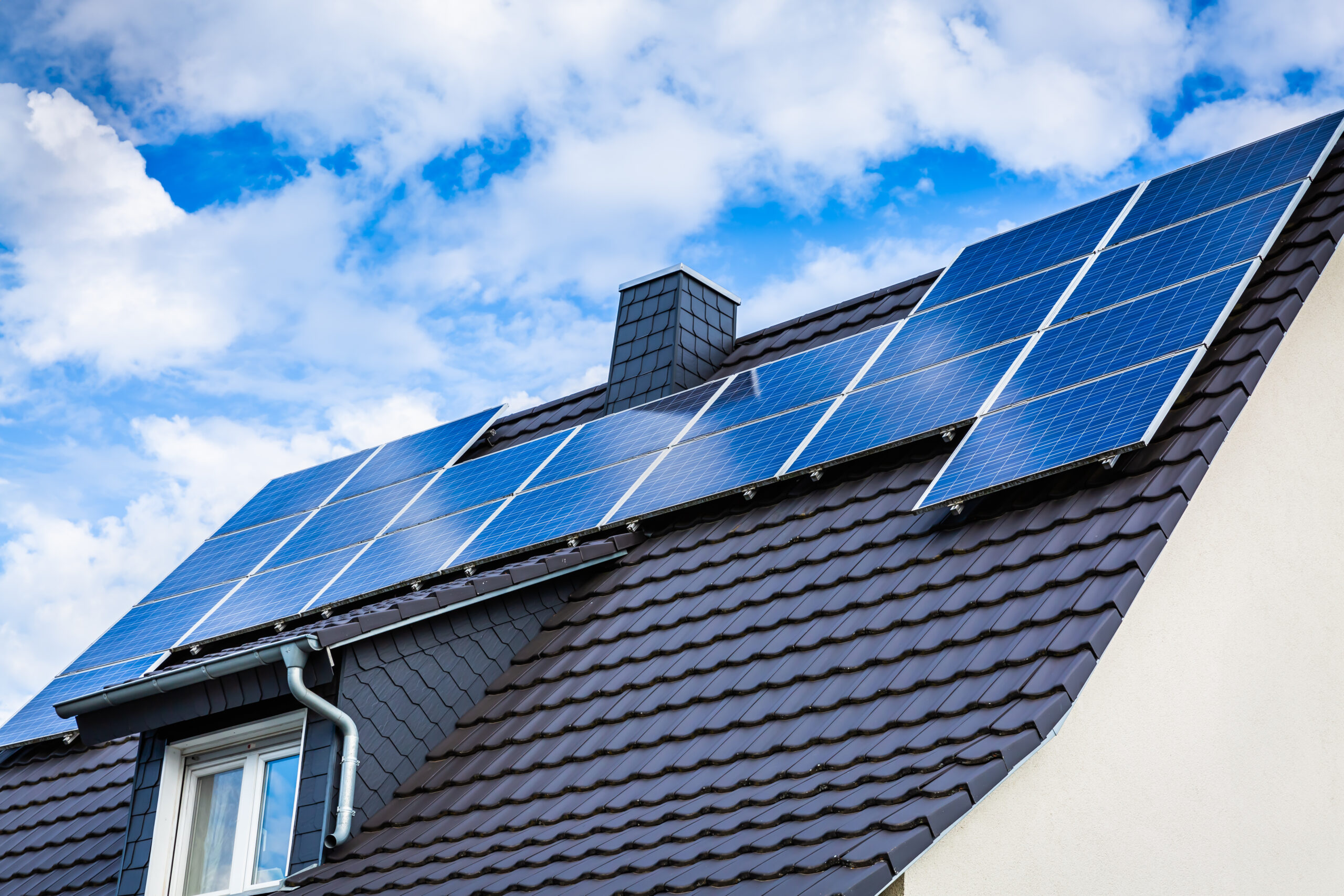
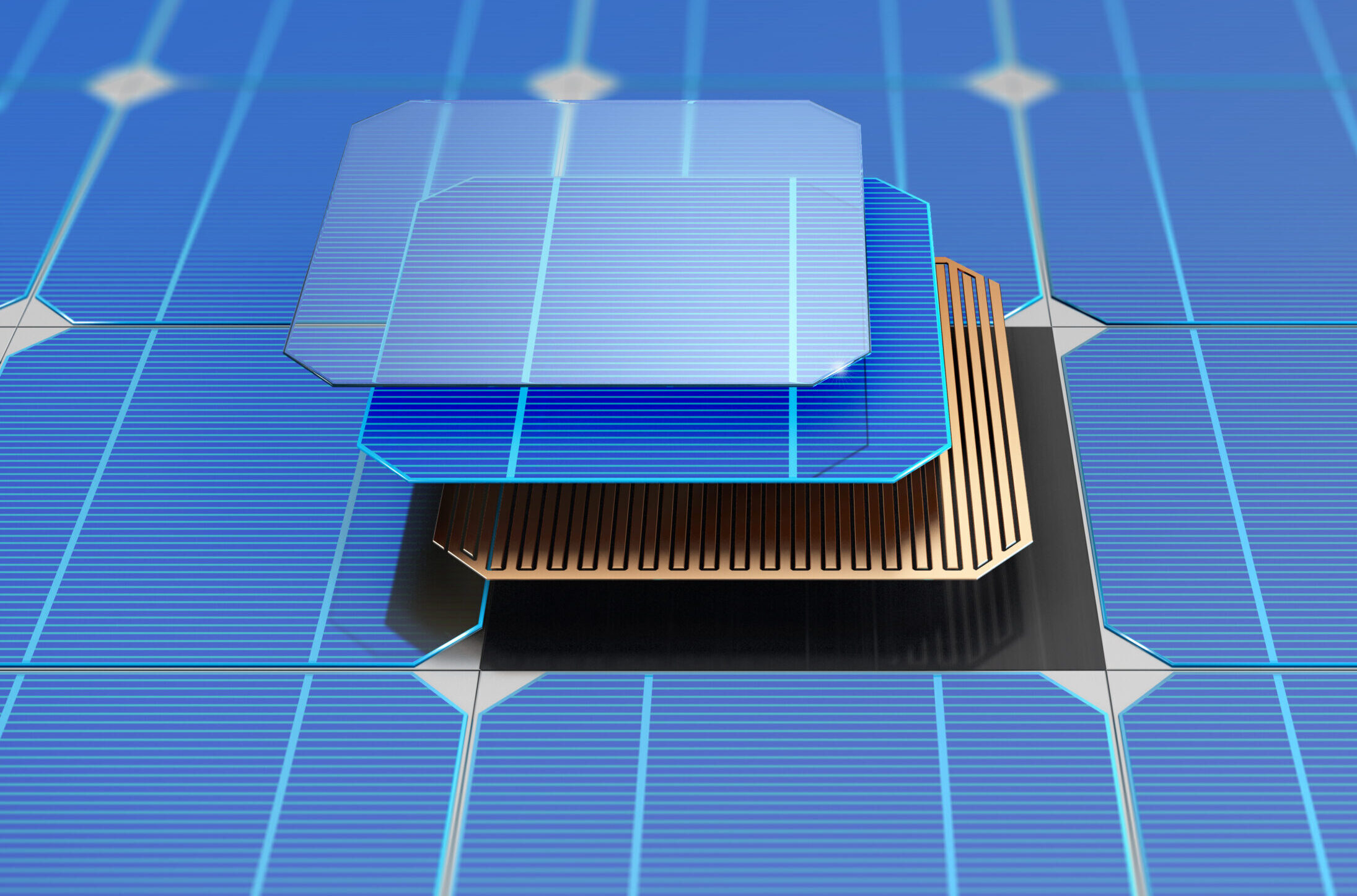
Solar photovoltaic (PV) systems convert sunlight into clean, usable electricity.
Each solar panel absorbs sunlight and produces direct current (DC) power. That energy passes through an inverter, which converts it into alternating current (AC) — the type of electricity used in your home.
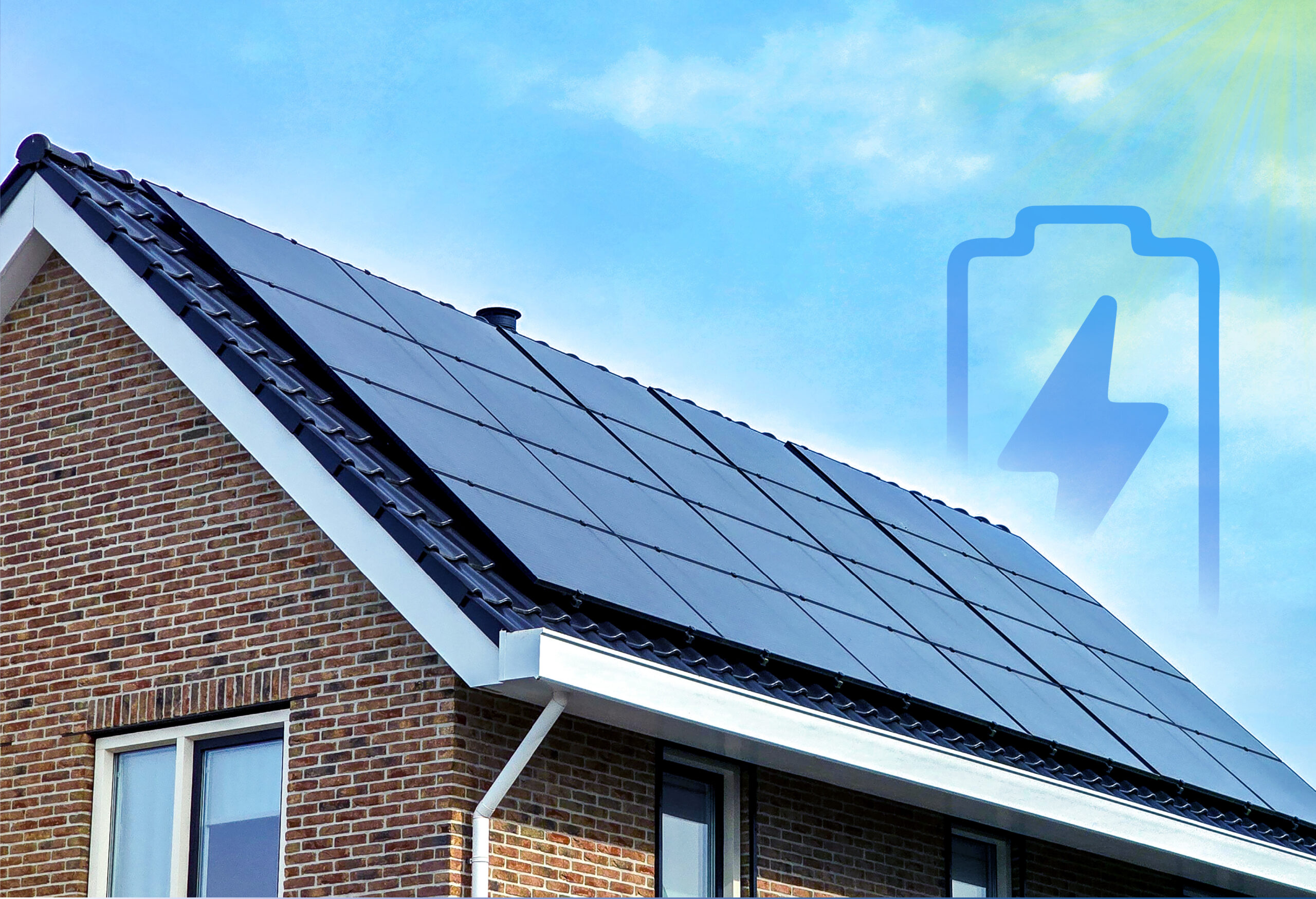
When your panels generate more electricity than you consume, the excess flows into the grid, and Nova Scotia Power credits your account. At night or on cloudy days, you can draw electricity from the grid using those credits.
In short, your roof becomes a mini power plant, and the grid acts as backup support (Nova Scotia Power – Net Metering Program).
How efficient is solar in Nova Scotia?
Despite our Atlantic weather, solar power is surprisingly efficient in Nova Scotia.
Halifax receives more annual sunlight hours than Germany — a global leader in solar energy. On average, every installed kilowatt (kW) of solar capacity produces about 1,100 kWh per year.
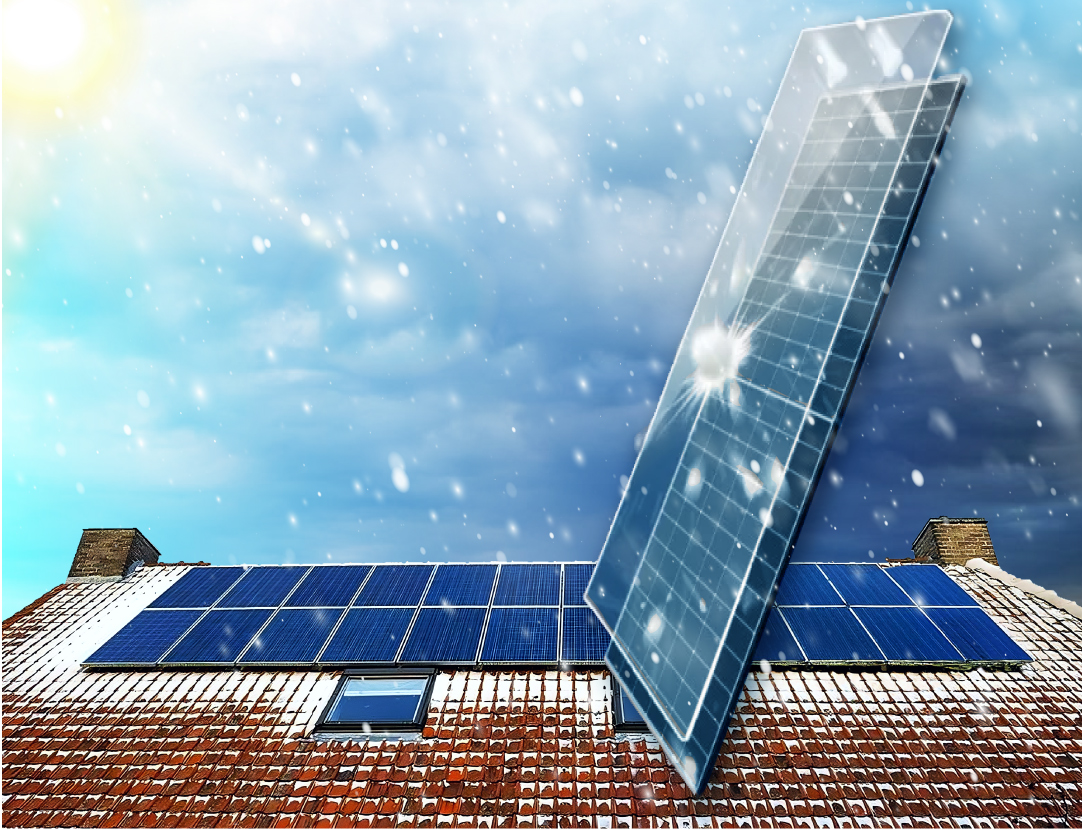
Cold temperatures actually improve panel efficiency, as photovoltaic cells perform better in cooler conditions. Bright winter days, although shorter, often deliver strong production.
The bottom line: solar energy works well across Nova Scotia. A properly oriented, shade-free system can generate consistent power year-round.
How much does it cost to install solar panels?
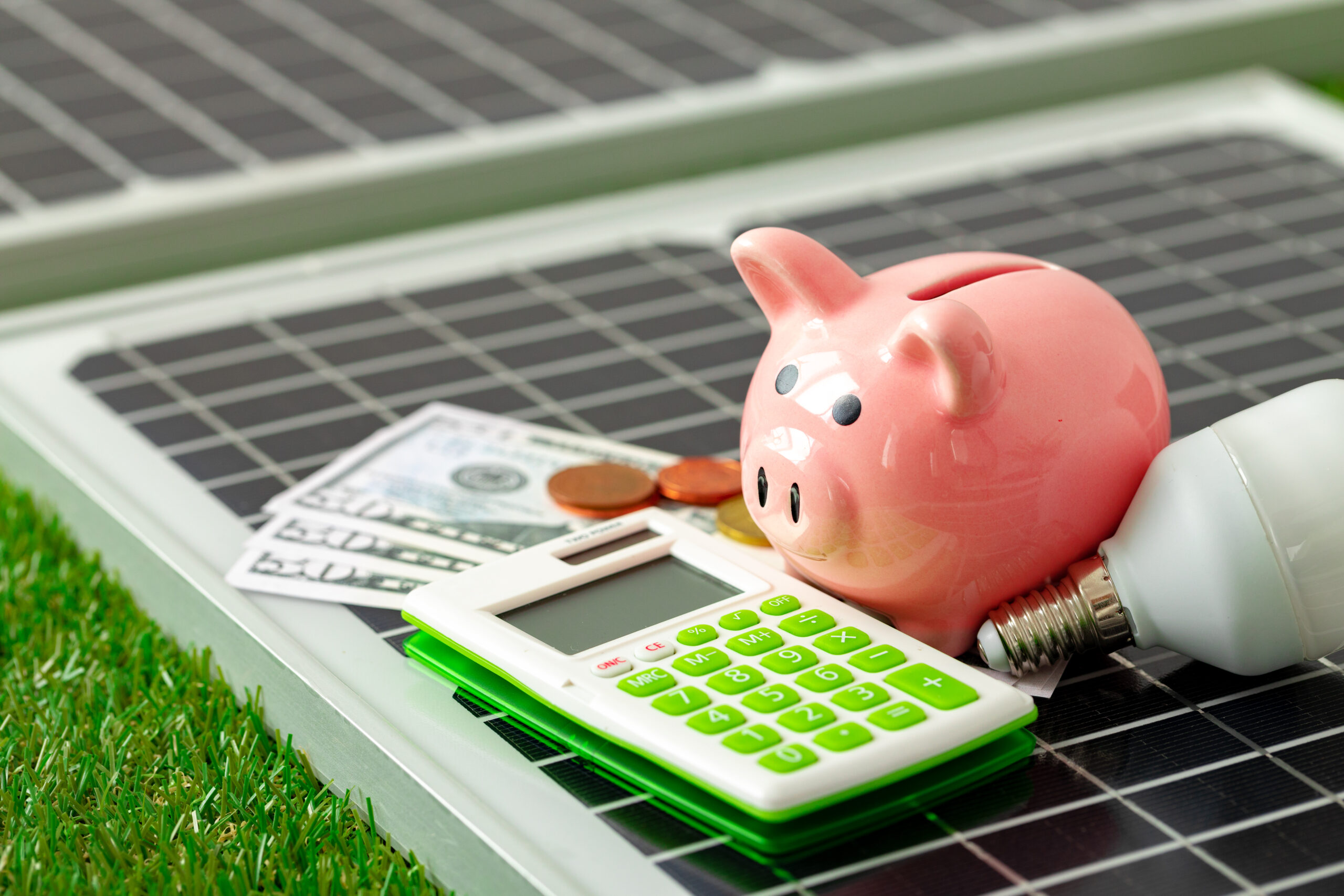
The average cost of solar in Nova Scotia ranges between CAD $2.50 and $3.20 per watt installed, depending on the project’s size and complexity.
A typical 6 kW system — enough to cover a significant portion of a standard home’s electricity use — costs between CAD $15,000 and $19,000 before incentives or financing (Proven Cost of Solar Panels in Nova Scotia Revealed).
Although the initial investment may seem high, savings begin immediately. With an average grid electricity rate of CAD $0.18 per kWh, every kilowatt-hour you generate yourself is money you no longer pay to the utility. Plus, solar equipment prices have steadily declined, making installations more affordable each year.
What is net metering and how does it work in Nova Scotia?
Net metering is one of the most important programs for solar homeowners. Offered by Nova Scotia Power, it allows you to receive full credit for every kilowatt-hour you generate but don’t consume.
Here’s how it works:
When your panels produce more power than you need, that surplus goes into the grid. Later, when your system produces less (for example, at night), you can draw energy from the grid using those accumulated credits.
Each kilowatt-hour you export is credited at the same retail rate you pay for consumption — a 1:1 exchange (Nova Scotia Power – Net Metering Program). If you still have credits after 12 months, Nova Scotia Power will pay you for the remaining balance.
Essentially, the grid acts as a virtual battery, helping you maximize the value of every ray of sunshine.
💡 The current program allows systems up to 100 kW, enough for any home or small business.
Which solar incentives are available today?
While some rebate programs have closed, several valuable incentives remain active for Nova Scotian homeowners.
- Federal Clean Technology Investment Tax Credit (ITC): offers a 30% refundable tax credit on residential and commercial solar projects, valid until 2034.
- Municipal financing programs: such as Halifax Solar City, which lets homeowners finance solar installations through their property tax bills.
- Green loans and low-interest financing from local credit unions and sustainable banks across Nova Scotia.
- Net metering, the province’s most powerful incentive, continues to provide ongoing value through energy credits and reduced utility bills.
The former SolarHomes rebate from Efficiency Nova Scotia closed to new applicants in April 2025, but there are talks of potential successor programs in future funding rounds.
Together, these mechanisms make solar financially viable without requiring a massive upfront payment.
How long does it take to recover the investment?
Most residential solar systems in Nova Scotia achieve full payback within 8 to 12 years.
For example, a 6 kW system (~CAD $18,000) generates roughly 6,900 kWh per year, equating to about CAD $1,000 in annual savings. Larger systems — say, 10 kW (~CAD $38,000) — can save over CAD $2,000 annually, reaching break-even in around 8 years.
Considering that most solar panels last 25 years or longer, the remaining lifespan after payback is pure profit. If electricity rates continue to rise, that payback period could shorten even more.
📈 Solar not only cuts your bills — it also protects your home from future rate increases.
How much maintenance do solar panels need?
Very little.
Solar panels have no moving parts and are built to withstand Nova Scotia’s weather — snow, wind, and salt air. A simple visual inspection twice a year is usually enough. If you notice leaves or dust, just rinse them gently with water.
Snow generally slides off as temperatures rise or the panels warm in sunlight. The inverter may need inspection or replacement after 10–15 years, while panels typically maintain 85% of their rated capacity after 25 years.
In short: low maintenance, high durability.
Conclusion
Solar energy has proven to be a solid and rewarding investment for homeowners across Nova Scotia.
With provincial net metering, the 30% federal tax credit, and flexible municipal financing options, solar systems offer long-term savings, energy independence, and a positive environmental impact.
☀️ At Atlantic Solar, we help homeowners make the switch to clean energy confidently and efficiently.
Request your free solar assessment today and see how much energy your roof could generate.
Internal Sources
- Solar Payback Period for Canadian Homes
- Trusted & Proven Best Rated Nova Scotia Solar Installers
- Are Solar Panels Worth It in Nova Scotia? Costs & Benefits 2025




One Response
Are the instalation of residential hybrid solar systems permitted in Nova Scotia where your power source can switch between grid and battery storage?